 Art Oslo
Museums
Art Oslo
Museums
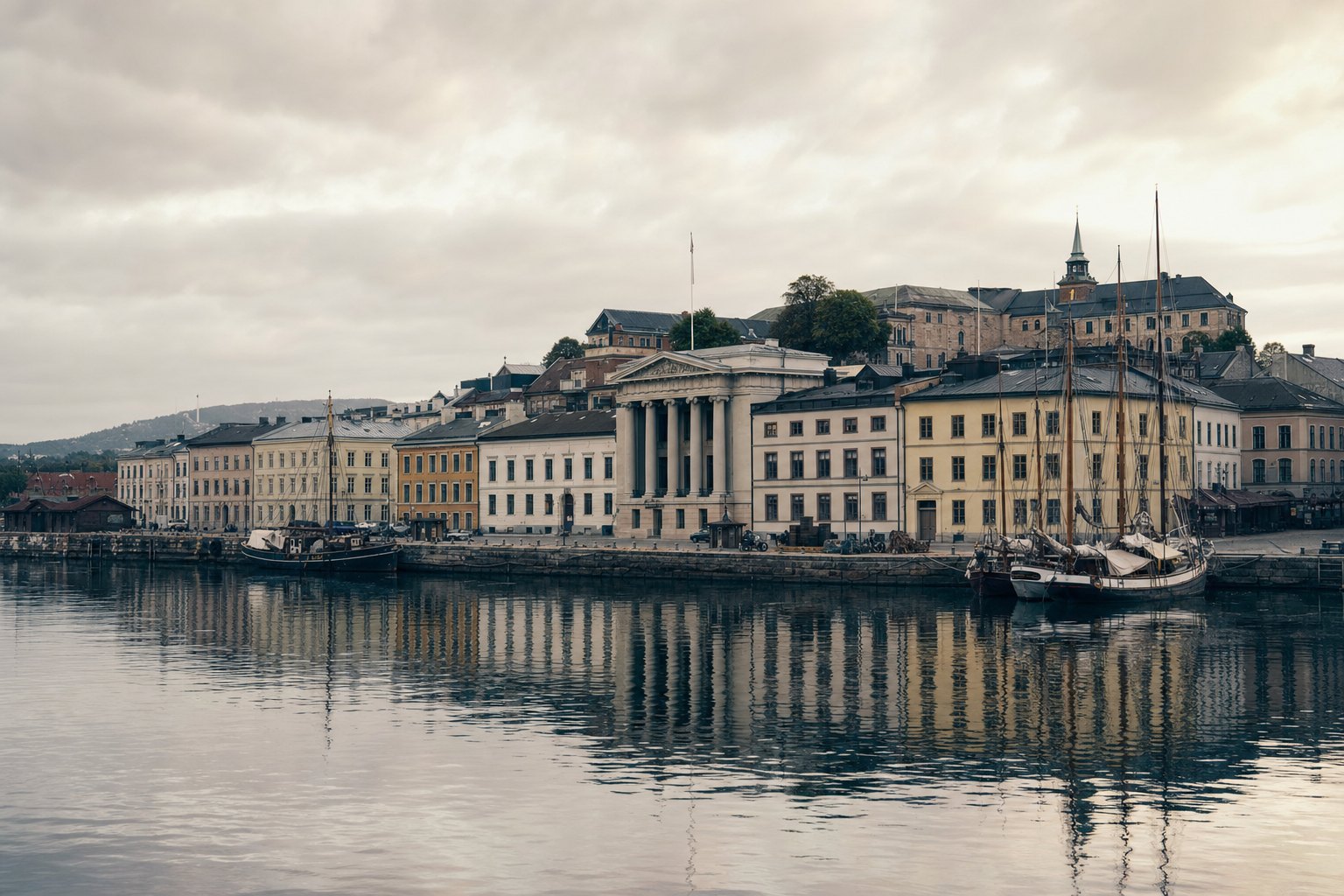
A capital finds its collections
For much of the nineteenth century the city now called Oslo was Christiania, a small administrative capital on the edge of Europe. Yet the ambition to build a national culture came early. The National Gallery was founded in 1837, only a generation after Norway adopted its constitution, and the great age of Norwegian landscape painting — Dahl, Tidemand, Gude — gave the young nation images of itself.
The museum island
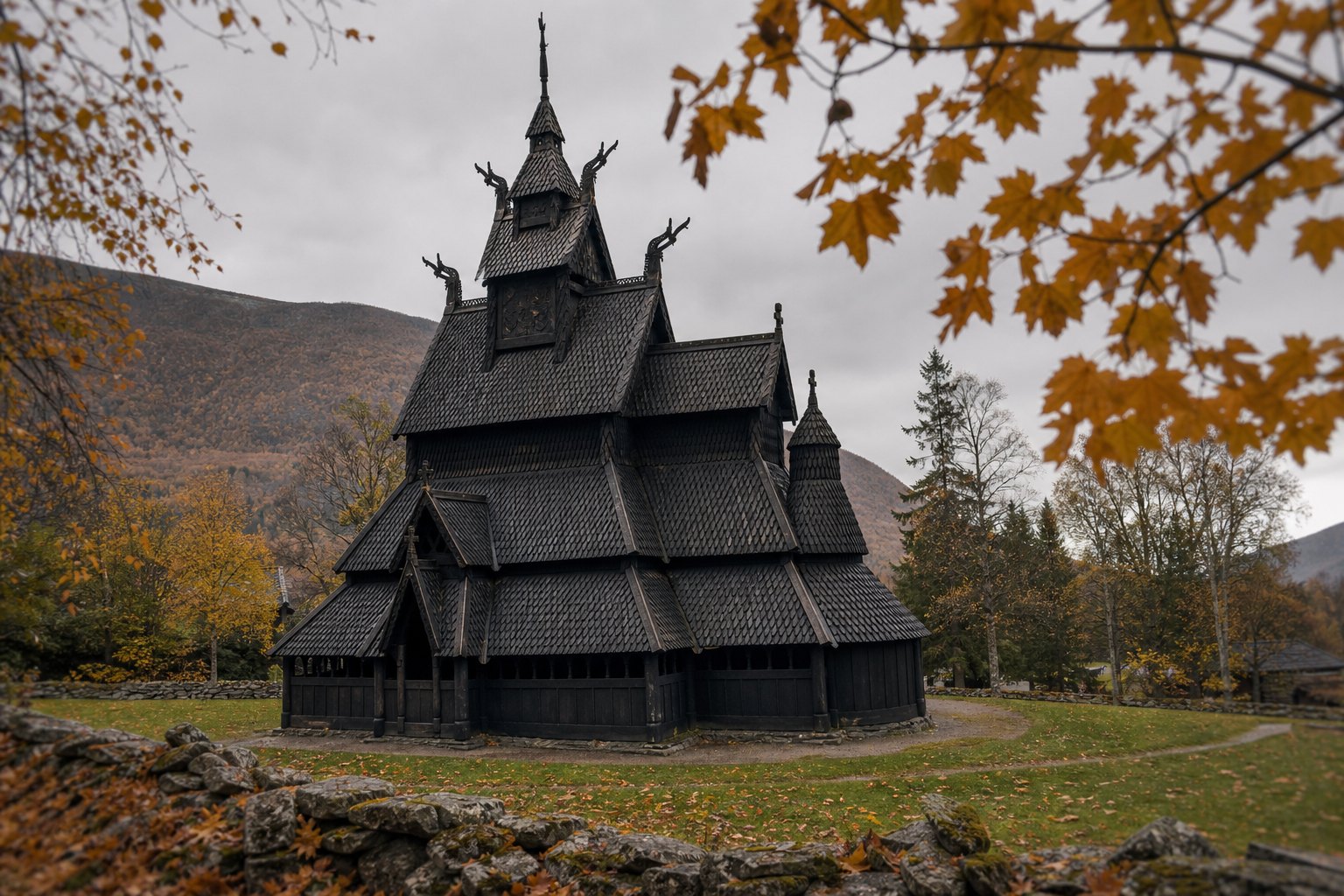
The decisive move came at the end of the century, when reformers began to gather the country's vanishing timber architecture on the wooded peninsula of Bygdøy. The Norwegian Museum of Cultural History opened there in 1894, and over the following decades it was joined by the ships that turned exploration into national myth — the polar vessel Fram, and later Thor Heyerdahl's Kon-Tiki raft. To this day a single ferry from the city hall pier reaches a peninsula devoted almost entirely to museums.
Munch and the modern
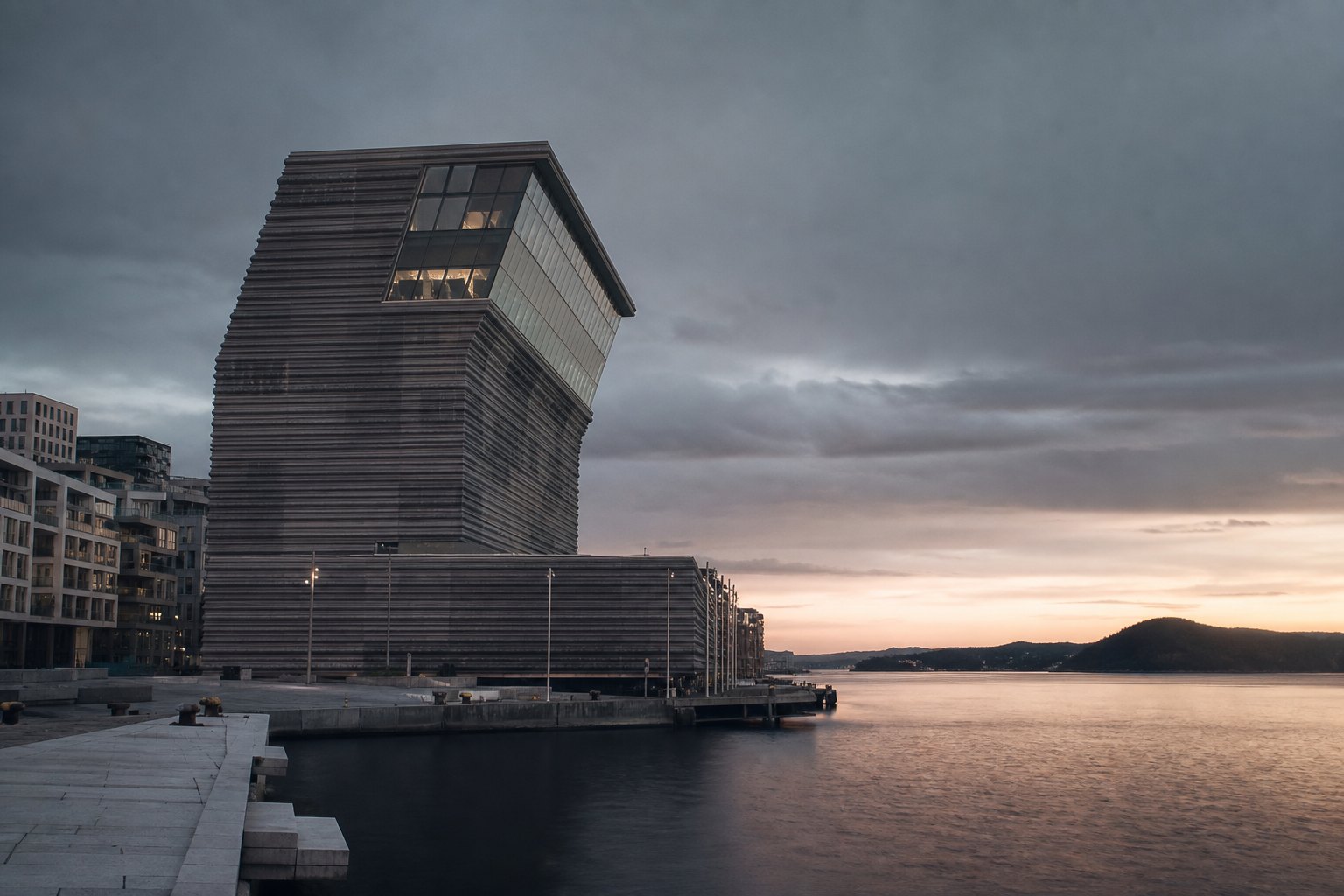
No artist shaped Oslo's image more than Edvard Munch. When he died in 1944 he left his enormous estate to the city, a bequest that eventually filled two museums: a room in the national collection holding the original Scream, and, from 2021, an entire tower devoted to his work. Around the same time private collectors widened the city's horizons — Sonja Henie and Niels Onstad with their fjord-side centre for modern art in 1968, and the Astrup Fearnley families with their international contemporary collection in 1993.
The waterfront decade
The years either side of 2020 transformed Oslo more than any since the war. A new opera house rose from the harbour, followed by the leaning MUNCH tower, the vast new National Museum beside Aker Brygge, and a re-landscaped waterfront connecting them on foot. In the space of a single decade the city assembled, along one stretch of fjord, a concentration of new cultural architecture matched by few places in the world.
In ten years Oslo rebuilt its waterfront into a single, walkable museum quarter.
The result is a city where a thousand years of history is unusually legible. A morning with Viking gold at the Historical Museum, an afternoon with Munch above Bjørvika, and an evening sculpture walk on the Ekeberg hillside is an entirely ordinary Oslo day.