 Art Oslo
Museums
Art Oslo
Museums
A country reassembled
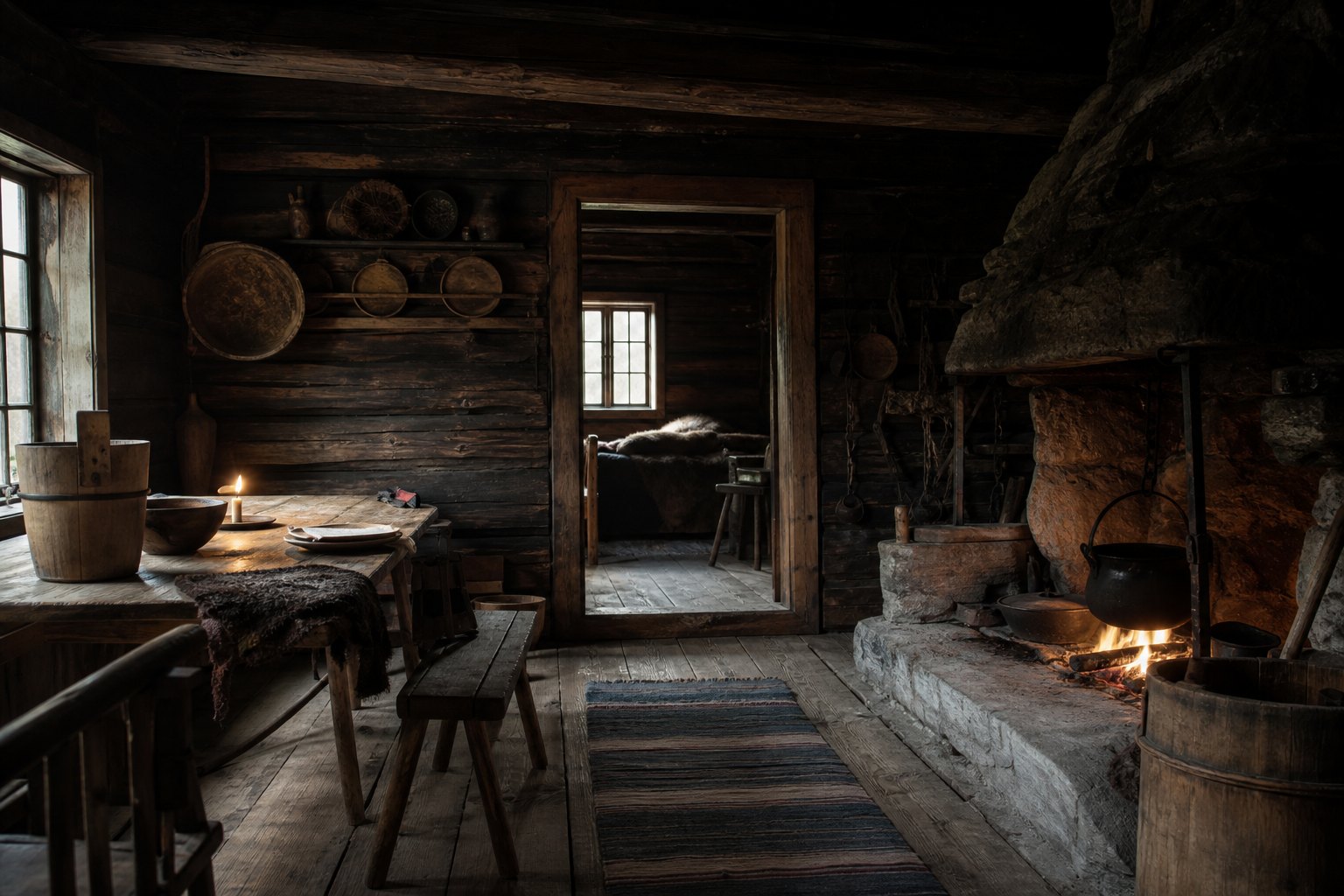
Norsk Folkemuseum was founded in 1894 to save the timber architecture of a fast-modernising country. Farmhouses, storehouses, workshops and whole farmyards were dismantled in the valleys and rebuilt on Bygdøy, arranged so that a single walk crosses centuries and regions — from a medieval rural Norway to a 1950s apartment block in the town quarter.
The Gol Stave Church
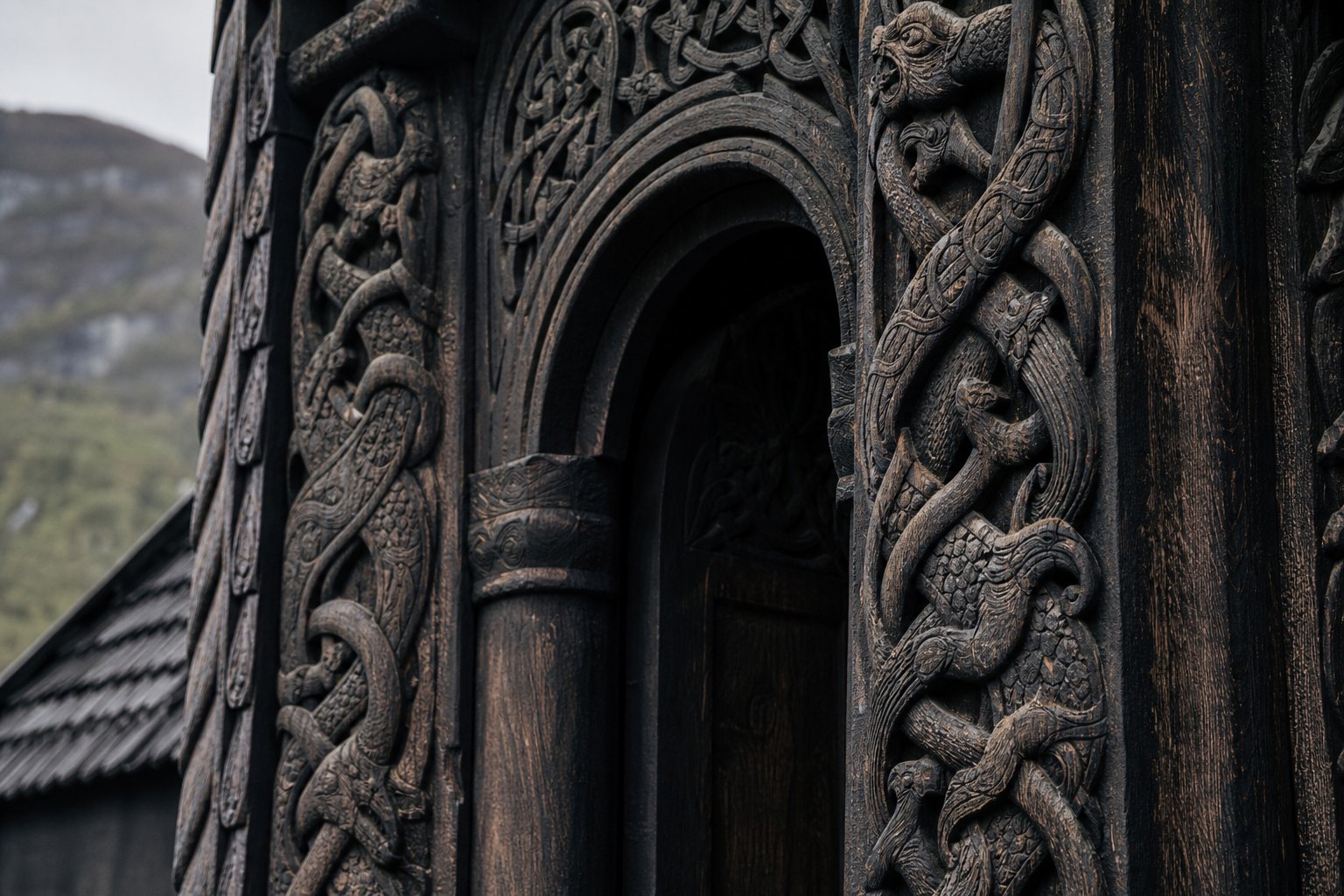
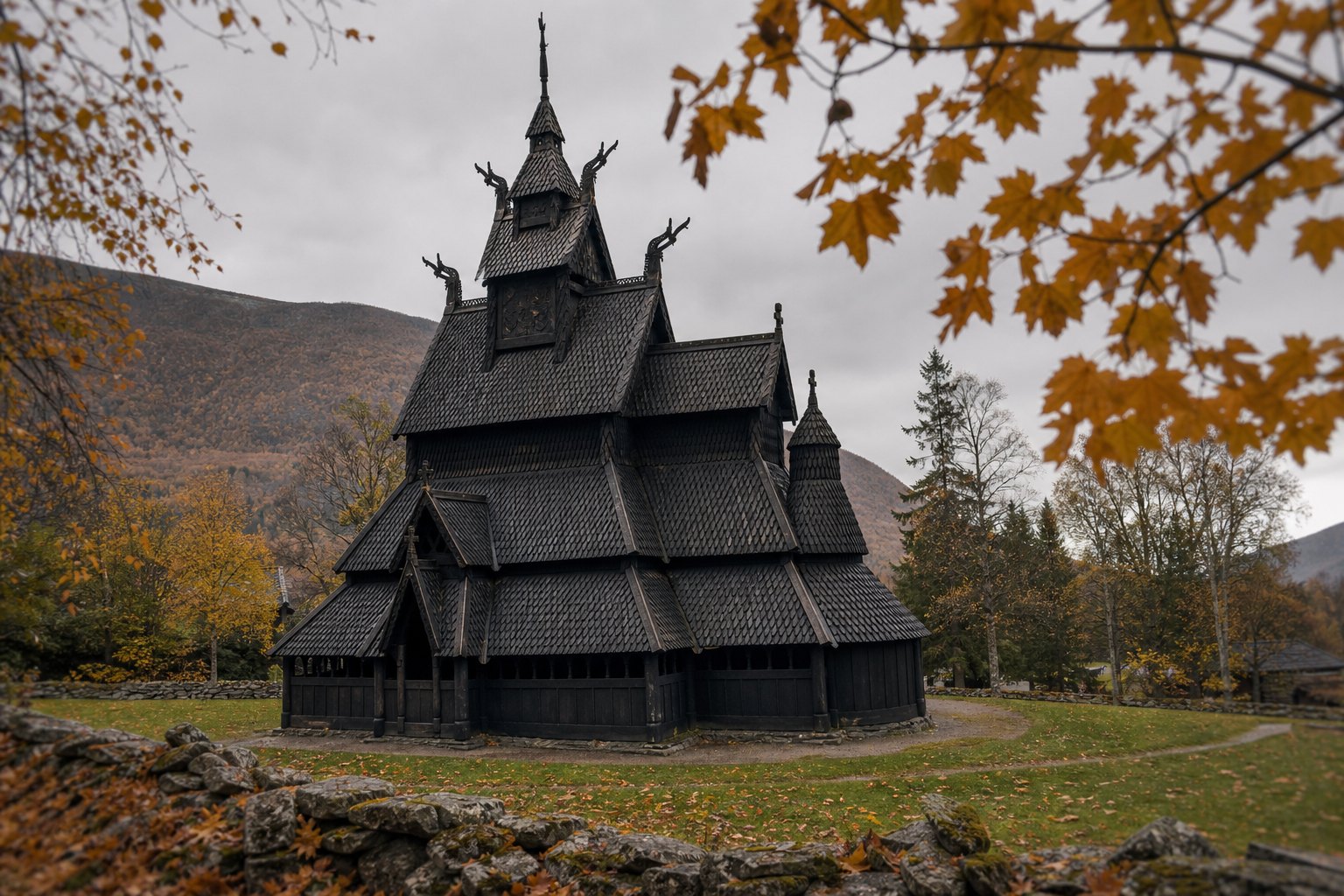
The museum's most precious building is the Gol Stave Church, raised around 1200 and moved here in the 1880s under royal patronage. Its dark, tar-scented timber and dragon-headed gables are among the finest surviving examples of a uniquely Norwegian form of medieval architecture.
A living museum
In summer the museum comes alive with costumed interpreters, folk dancing, baking and farm animals, while the indoor galleries hold Norway's great collections of folk art, dress and Sami culture. It is as much a day in the countryside as a museum visit.
What to see
- The Gol Stave Church of around 1200
- The open-air farms and the old town quarter
- Norway's foremost folk-costume collection
- Sami cultural history and dwellings
A whole country's timber heritage, saved building by building.