 Art Oslo
Museums
Art Oslo
Museums
A ship built to be frozen
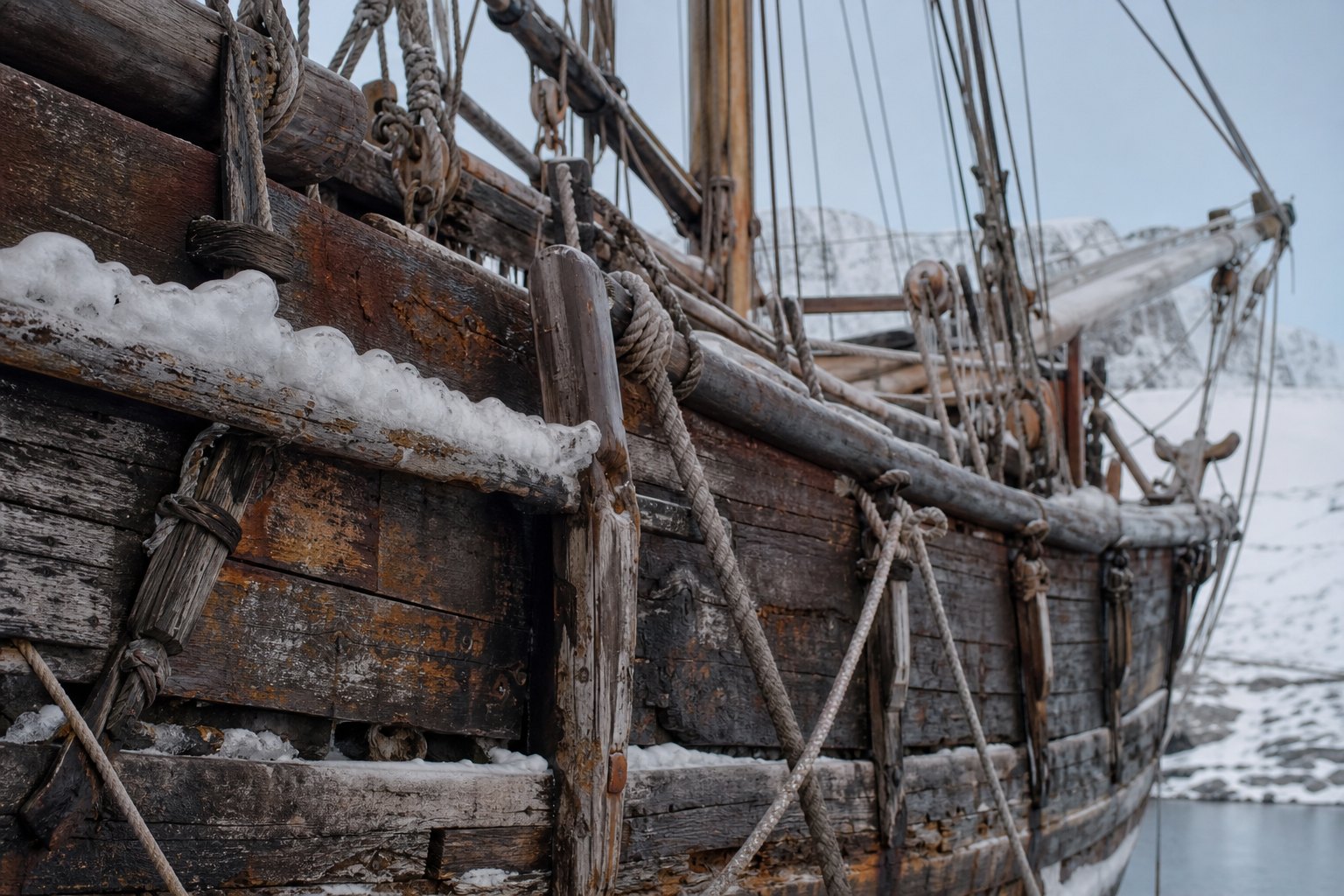
The Fram was designed by Colin Archer in 1892 with a rounded hull that would rise above crushing pack ice rather than be trapped by it. On her first expedition Fridtjof Nansen deliberately let her freeze into the Arctic ice and drift for three years, reaching a record latitude in the attempt to approach the North Pole.
Pole to pole
The same ship later carried Roald Amundsen's expedition toward Antarctica, the base from which he became the first person to reach the South Pole in 1911. No wooden ship has sailed farther north or south, and the Fram survives complete — masts, cabins and galley intact.
Inside the hull
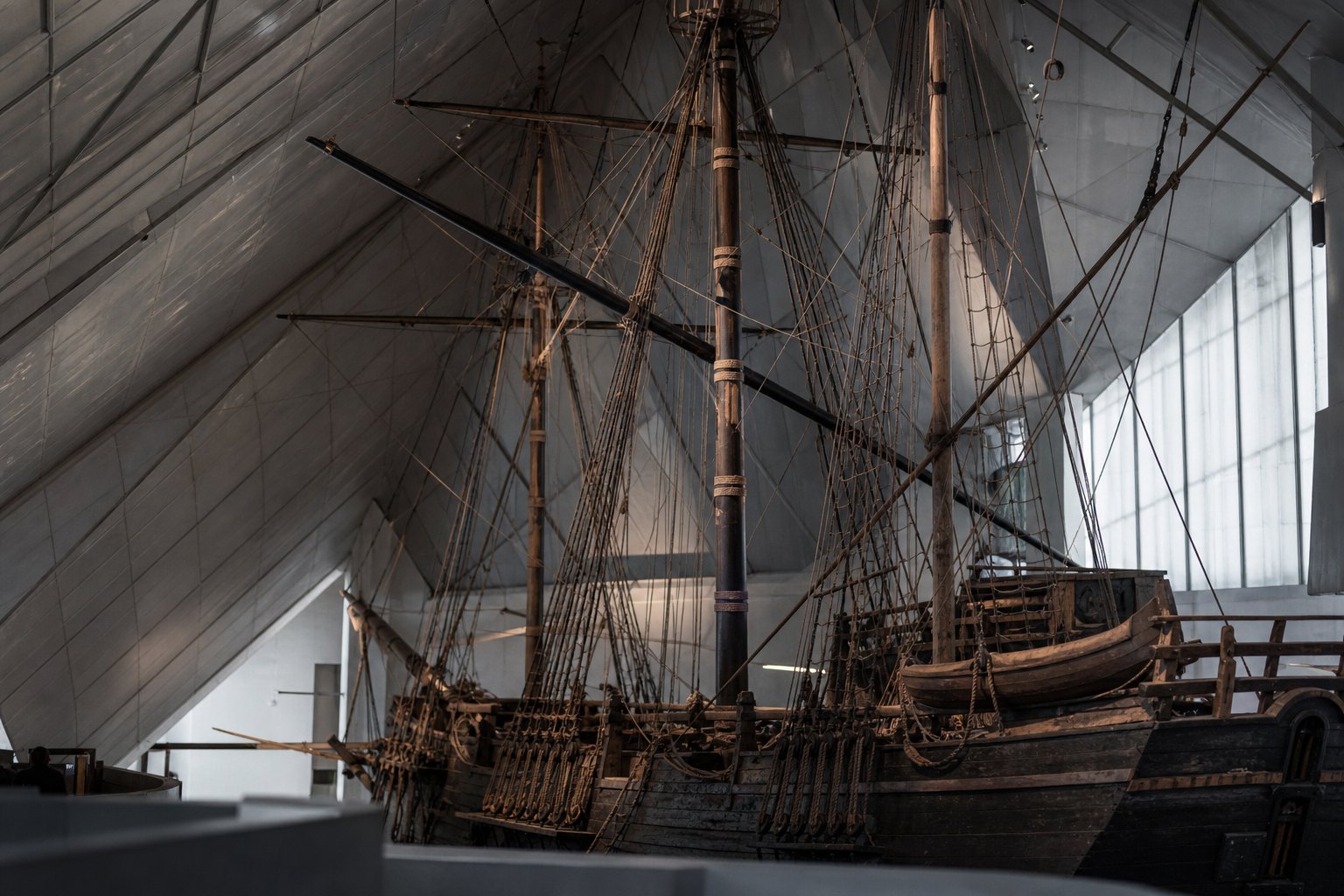
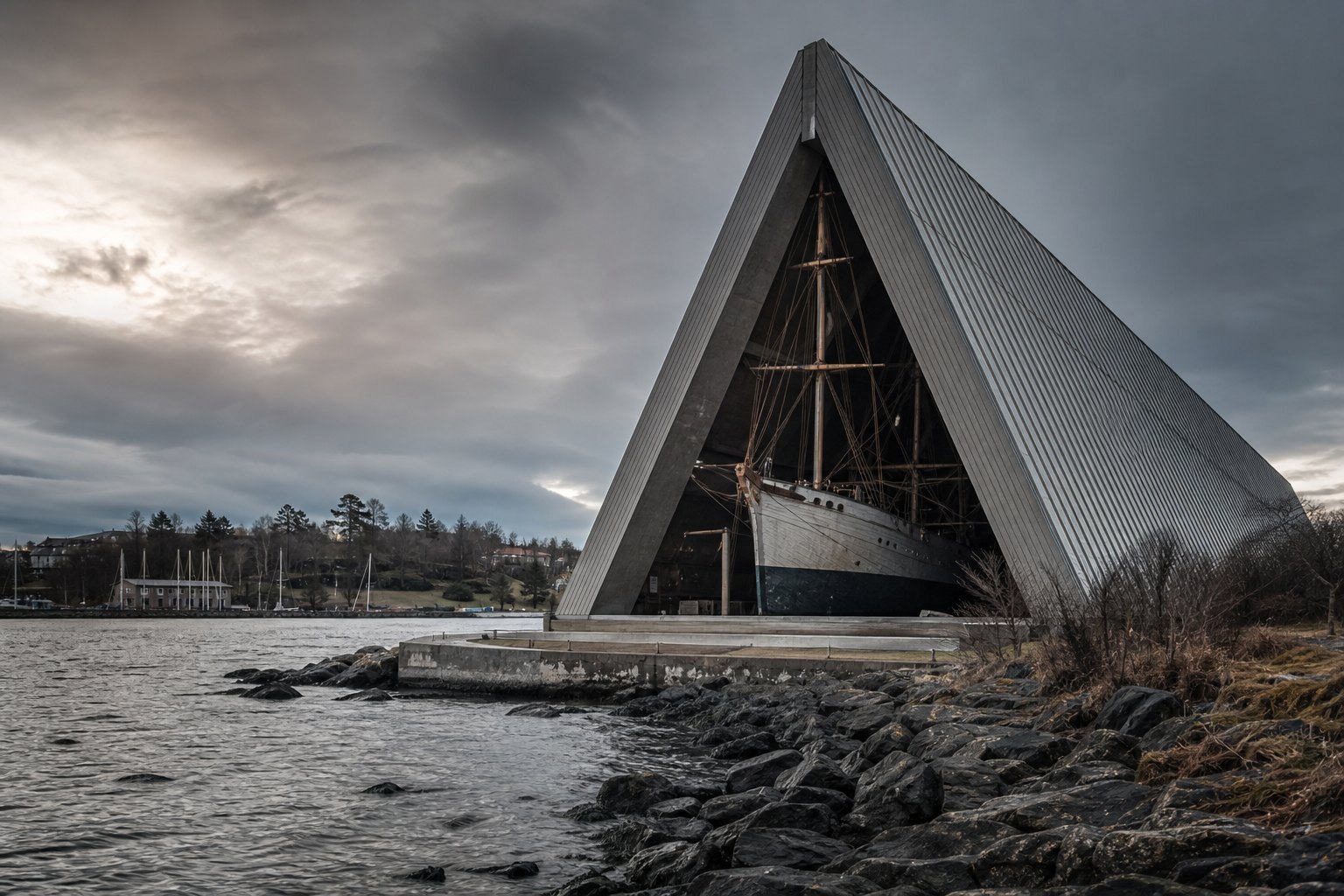
The museum was built around the ship in 1936, and visitors can walk her decks and descend into the cramped cabins where the crews endured the polar winter. Simulators, a cold room and a second polar vessel, the Gjøa, complete a museum devoted to the heroic age of exploration.
What to see
- The complete polar ship Fram, open to board
- Amundsen and Nansen expedition relics
- The Gjøa, first to sail the Northwest Passage
- The polar-cold simulation room
No wooden ship has ever sailed farther north or south.