 Art Oslo
Museums
Art Oslo
Museums
A nation made by the sea
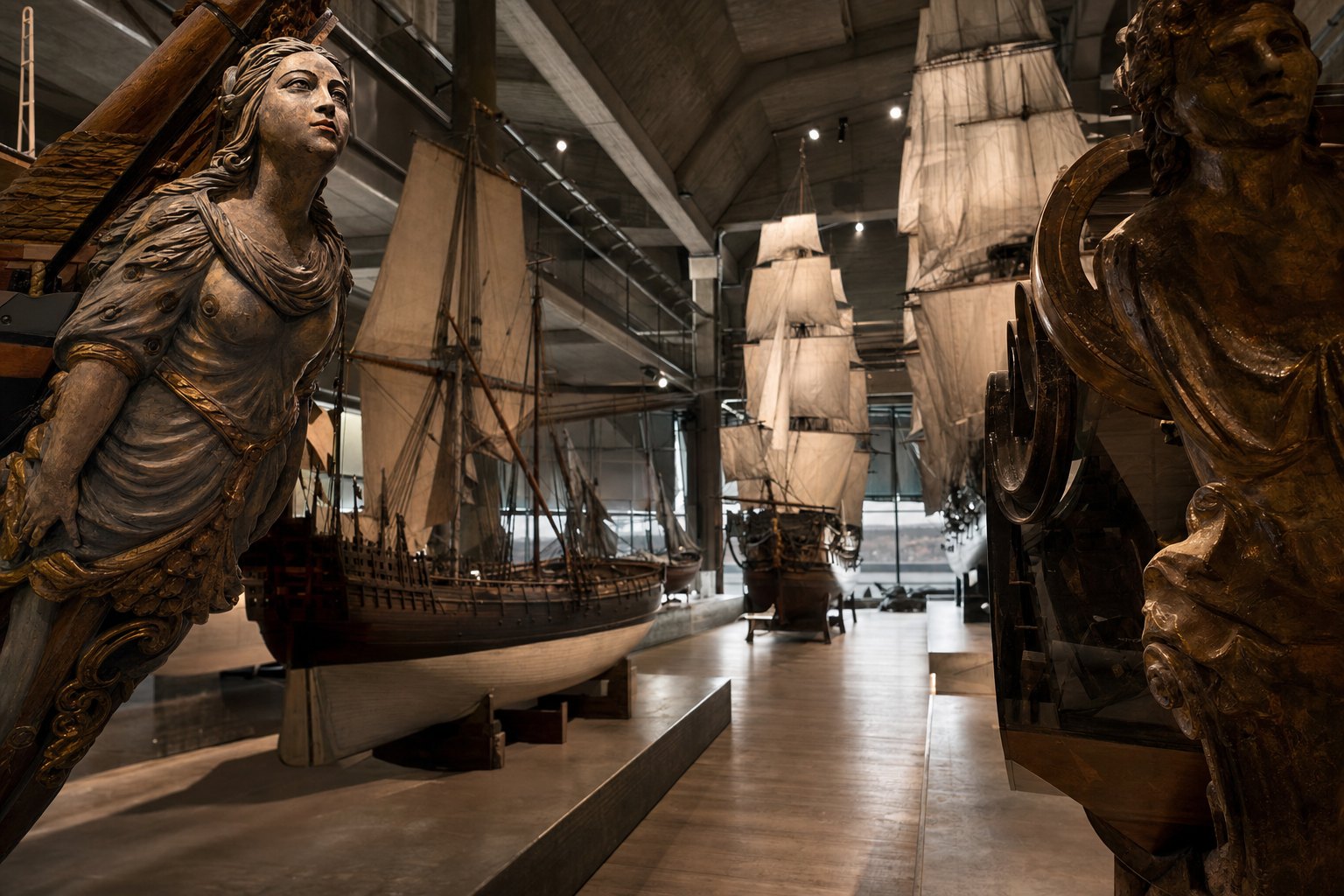
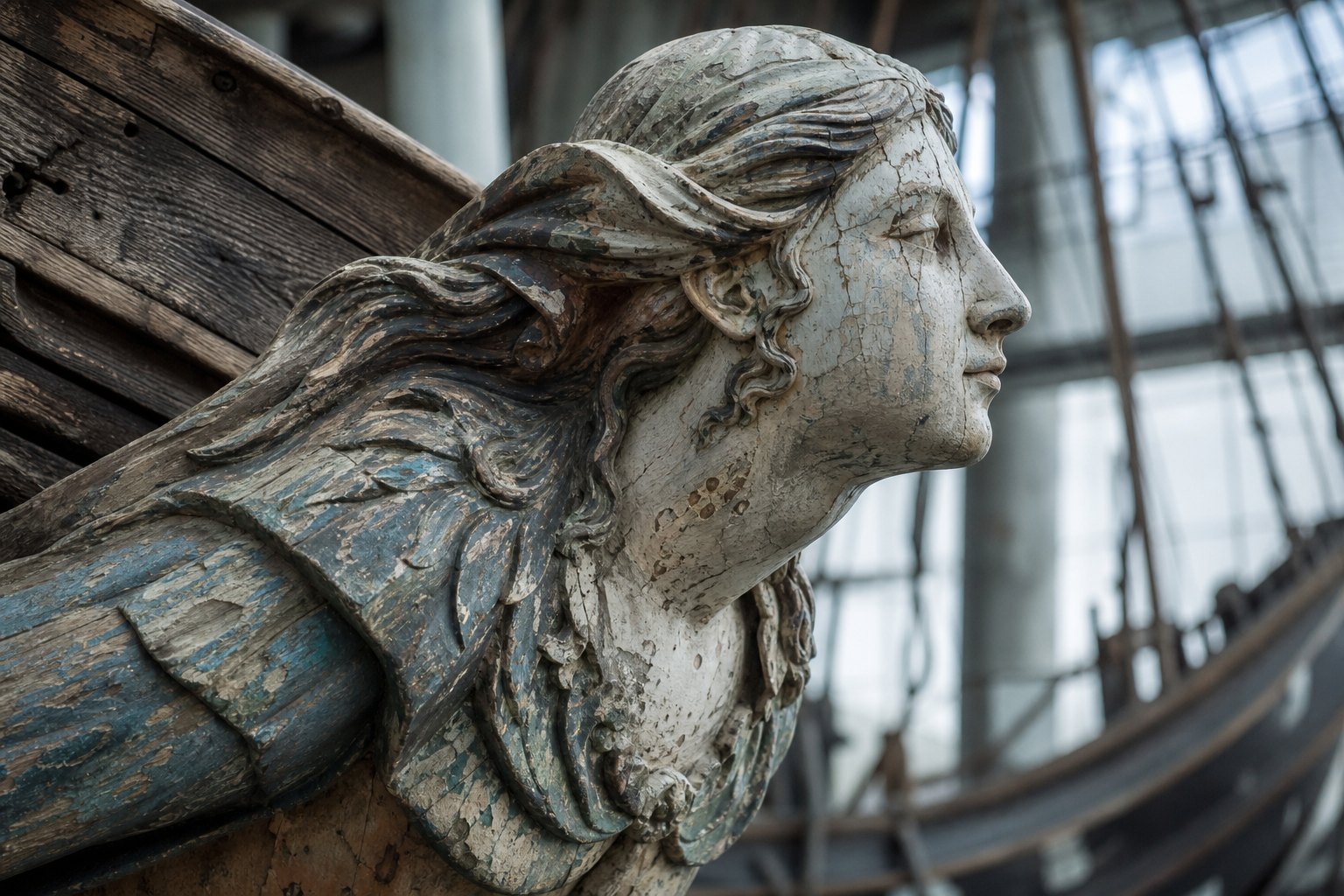
Few countries owe as much to the ocean as Norway, with its endless coastline and one of the world's largest merchant fleets. The Norwegian Maritime Museum, founded in 1914, traces that history through ship models, figureheads, maritime painting and the everyday objects of life at sea.
Boats and stories
The collection ranges from open wooden fishing boats and the polar exploration vessel Gjøa's companions to the modern shipping that built twentieth-century Norway. Among its treasures is the 'Gibraltar boat', a small craft in which refugees escaped occupied Europe, and the oldest known boat finds from the Norwegian coast.
On the museum shore
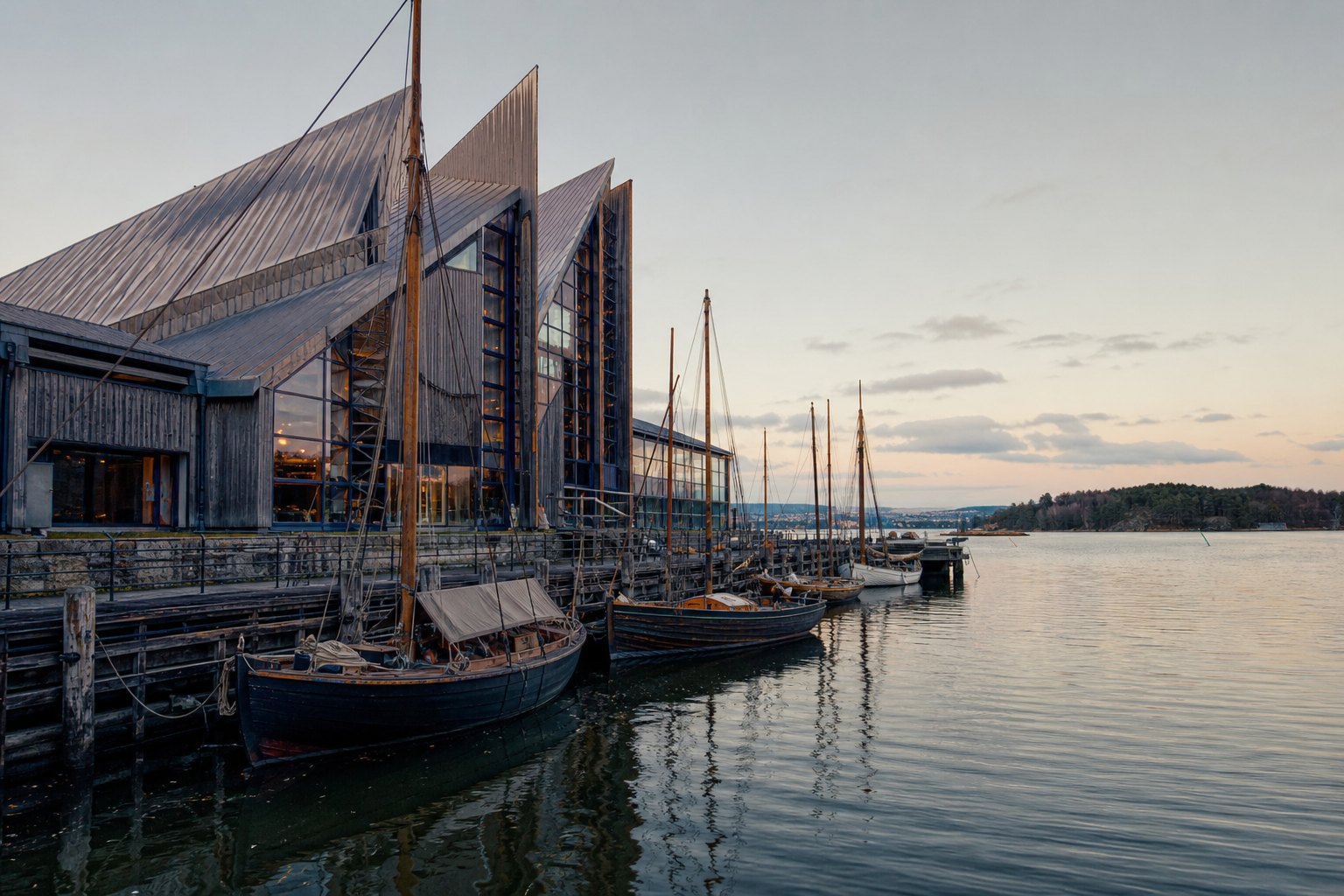
Sharing the Bygdøy waterfront with the Fram and Kon-Tiki museums, the Maritime Museum completes a peninsula entirely devoted to ships and exploration. Its terrace looks out over the same fjord its collections describe, and a panoramic film carries visitors along the whole Norwegian coast.
What to see
- Ship models and carved figureheads
- The wartime 'Gibraltar boat'
- Maritime painting and coastal culture
- The panoramic Norwegian-coast film
A coastline this long could only build a nation of sailors.