 Art Oslo
Museums
Art Oslo
Museums
Bjørvika & the Centre
2 museums
A Visitor's Guide
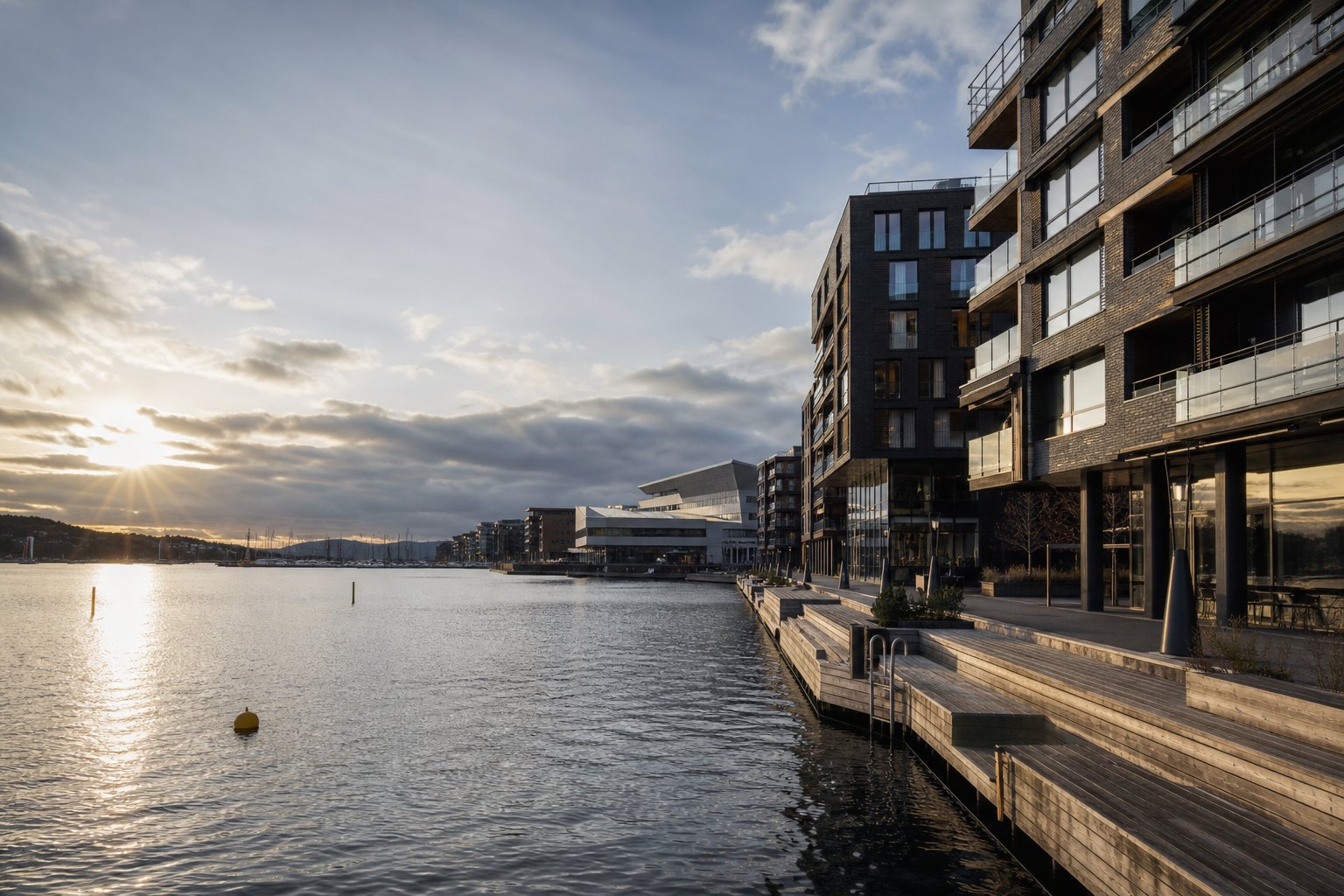
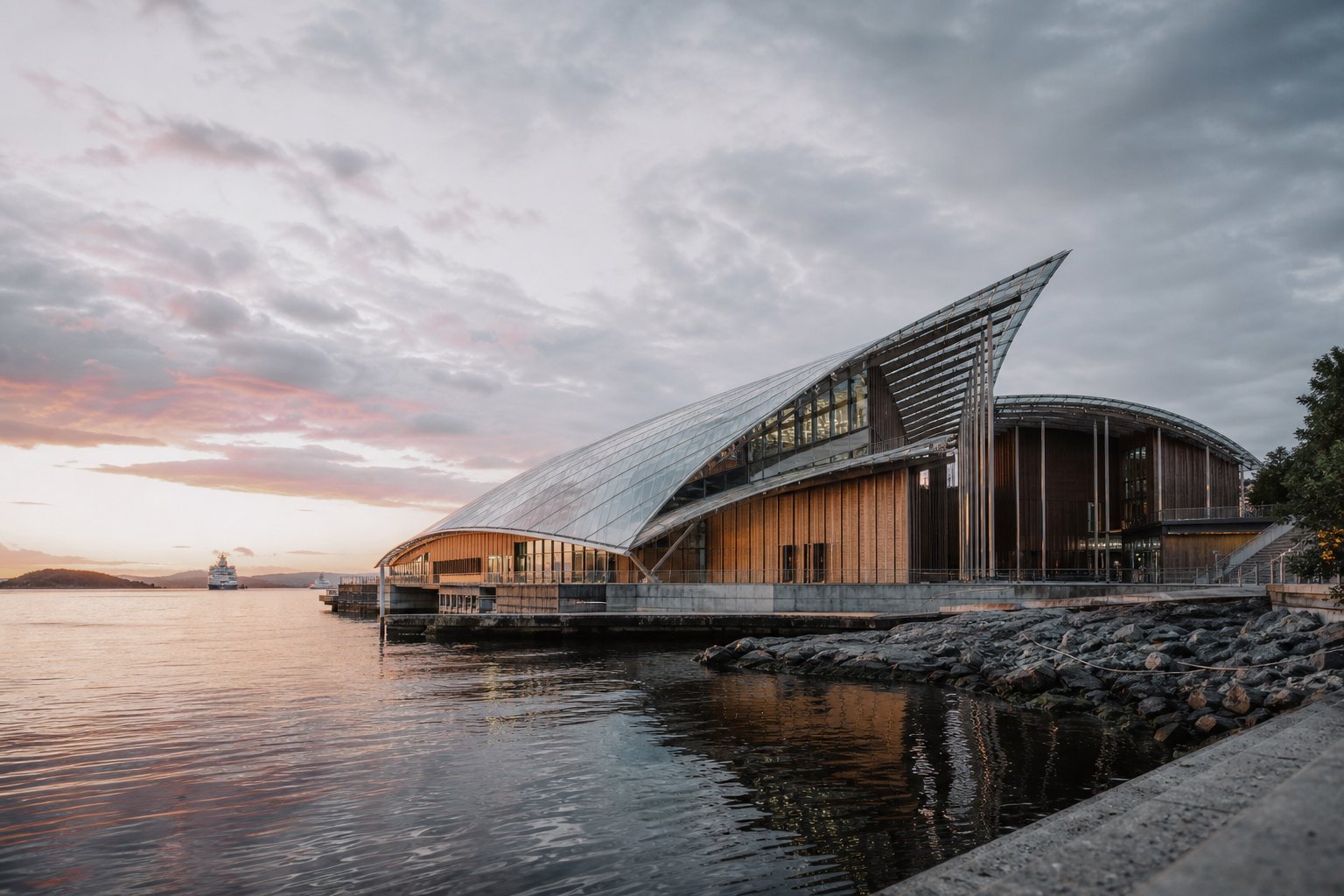
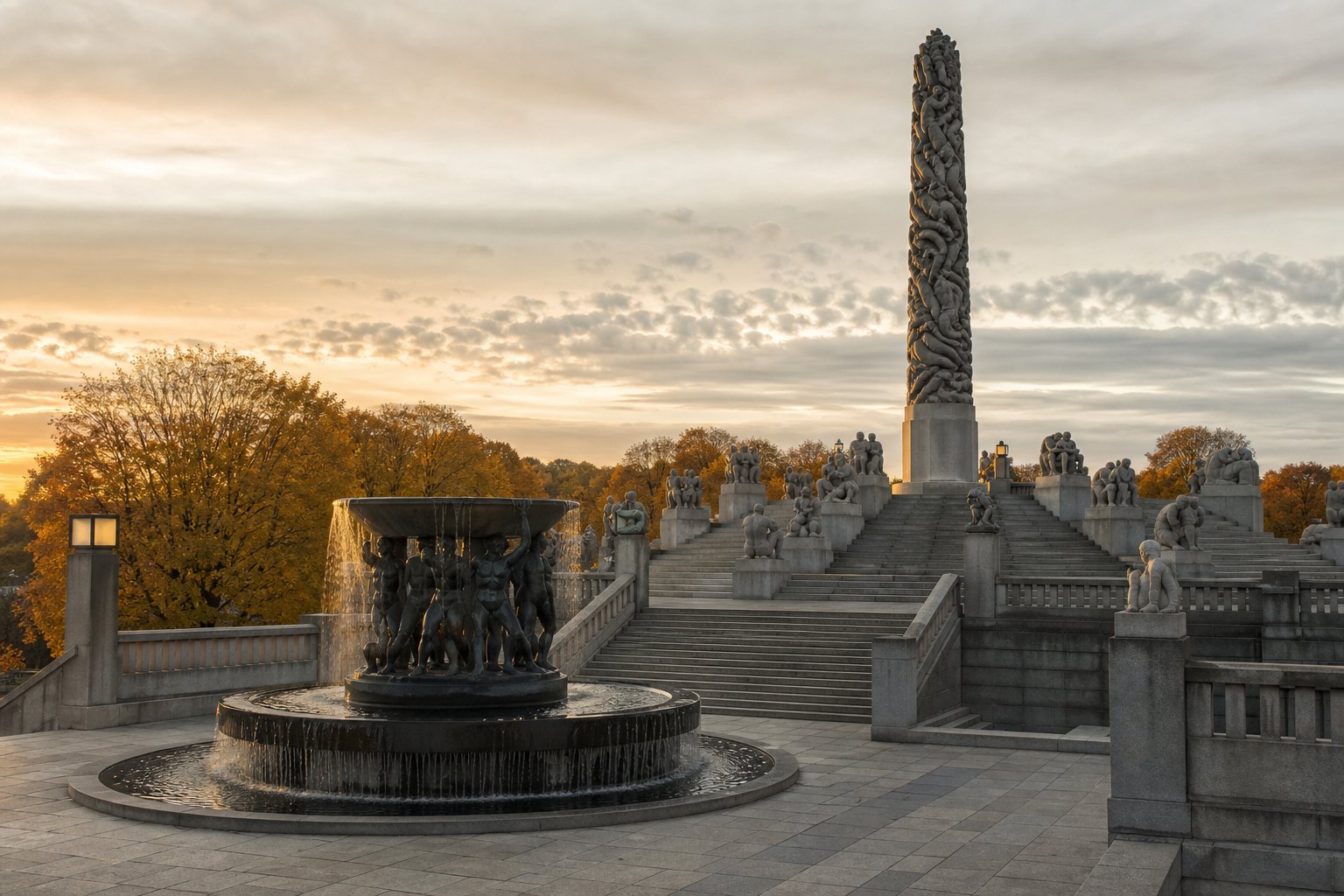
In a single compact city, Edvard Munch's screaming sky, a Renzo Piano gallery under a glass sail, a polar exploration ship and a hillside of sculpture all sit within reach of the fjord. This is a traveller's guide to twelve of them.
Every museum in this guide, from the waterfront towers to the museum peninsula of Bygdøy. Each links to its own page of history, highlights and practical notes.
Oslo's museums fall into four easy clusters. Group your days by area — a waterfront of galleries, a peninsula of ships, the parks on the hills.
2 museums
3 museums
4 museums
3 museums
For most of the nineteenth century Oslo — then Christiania — was a modest northern capital. Its museums grew with its ambitions: a national gallery in 1837, the great open-air museum on Bygdøy in the 1890s, and the polar and raft museums that turned exploration into public memory.
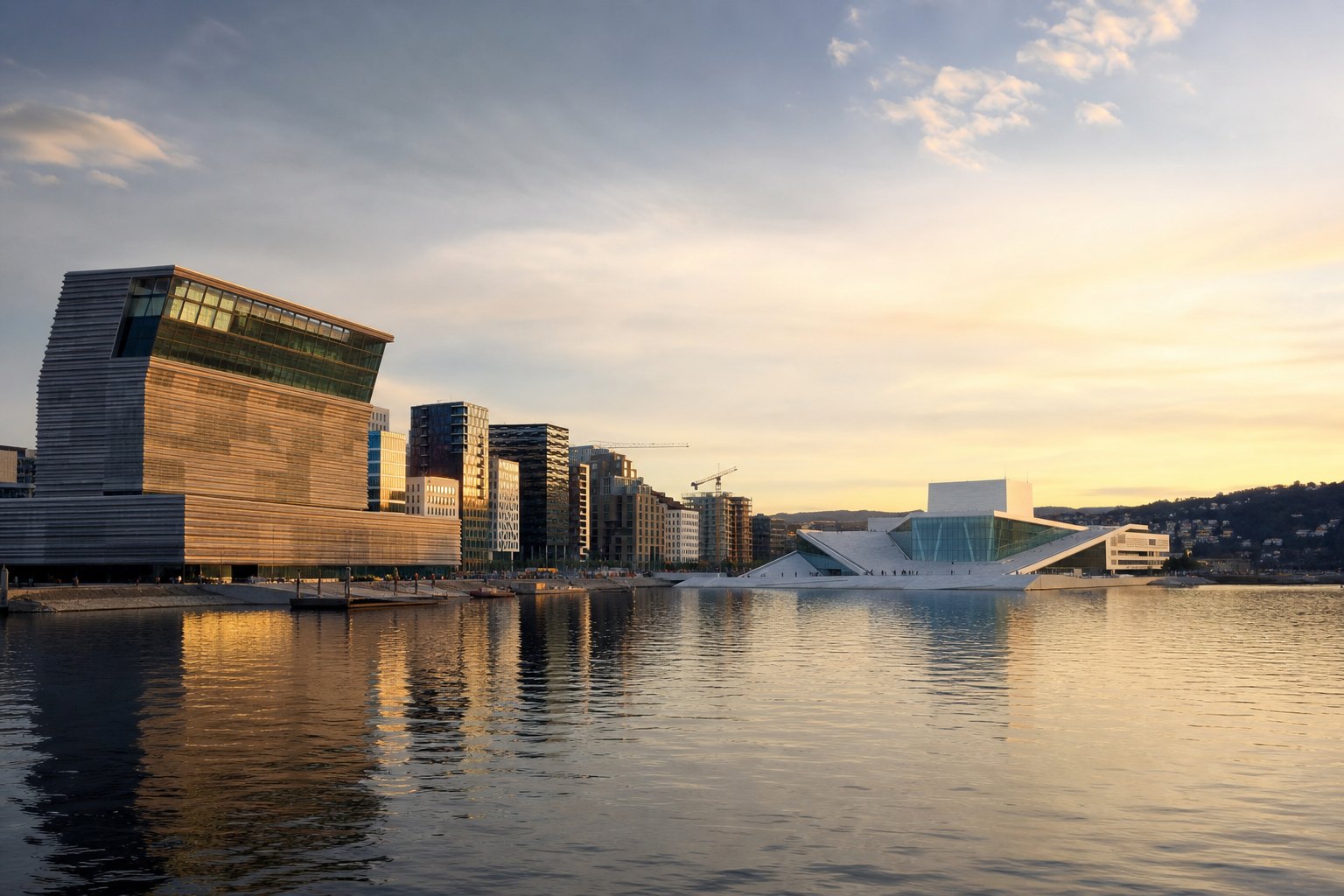
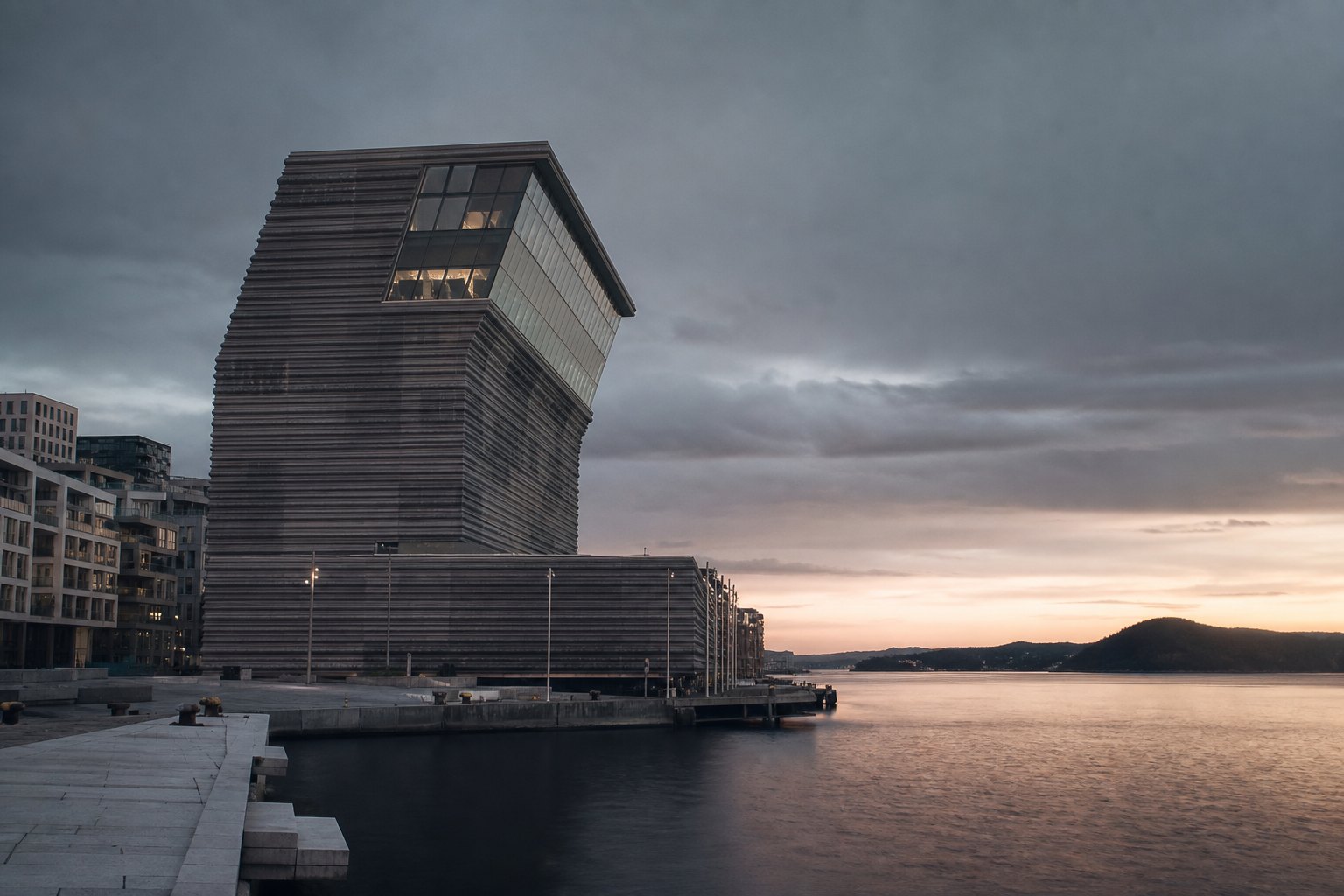
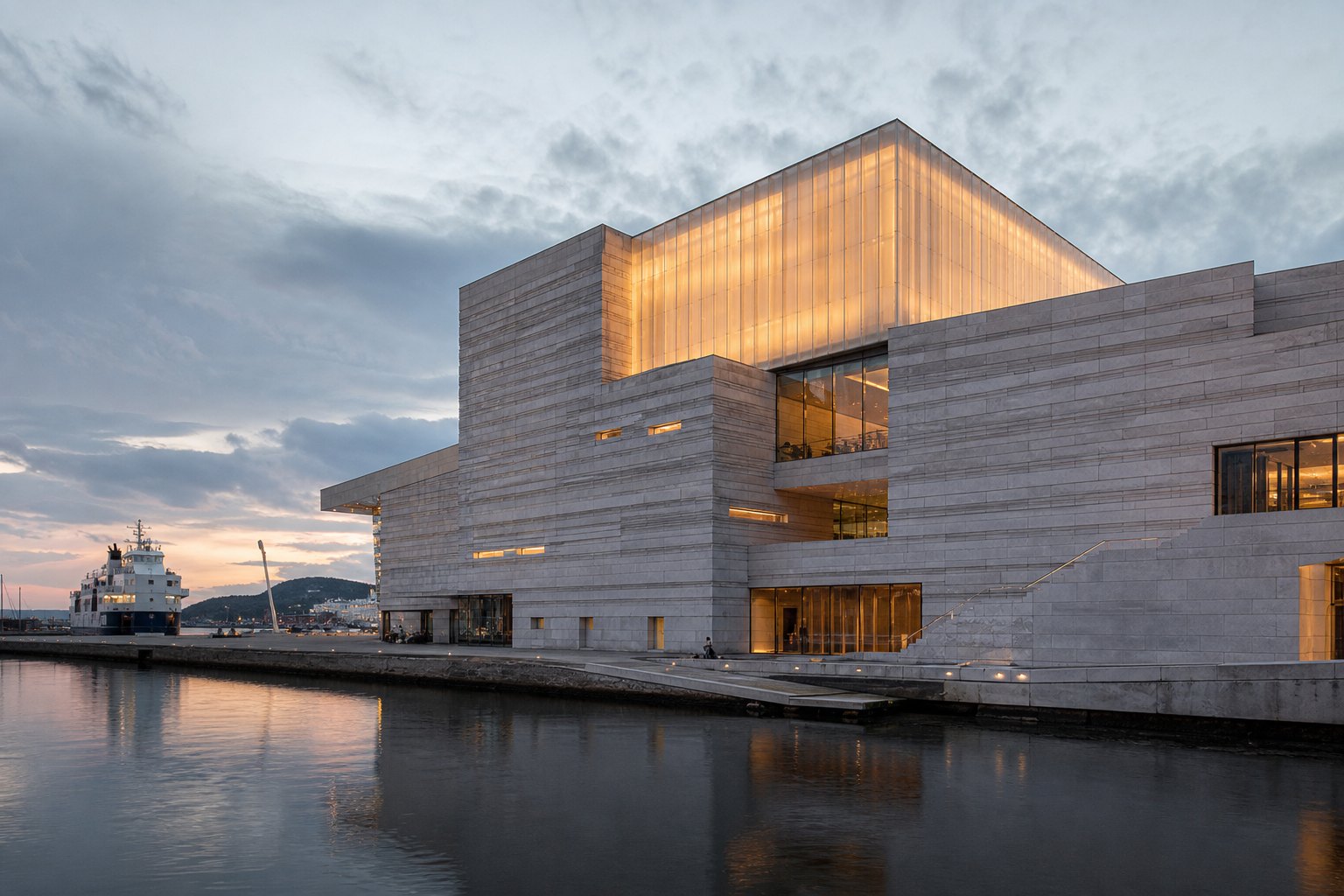
The last decade rebuilt the waterfront entirely. A new National Museum, a new home for Munch and the opera house now stand within walking distance, making the harbour one of the densest stretches of culture in Europe.
Most of Oslo's national museums share a single ticketing logic and stay open late one evening a week. The Oslo Pass covers entry to nearly all of them along with public transport, and the city's compact centre means you can pair a fjord-side gallery with a hillside sculpture park in one day.
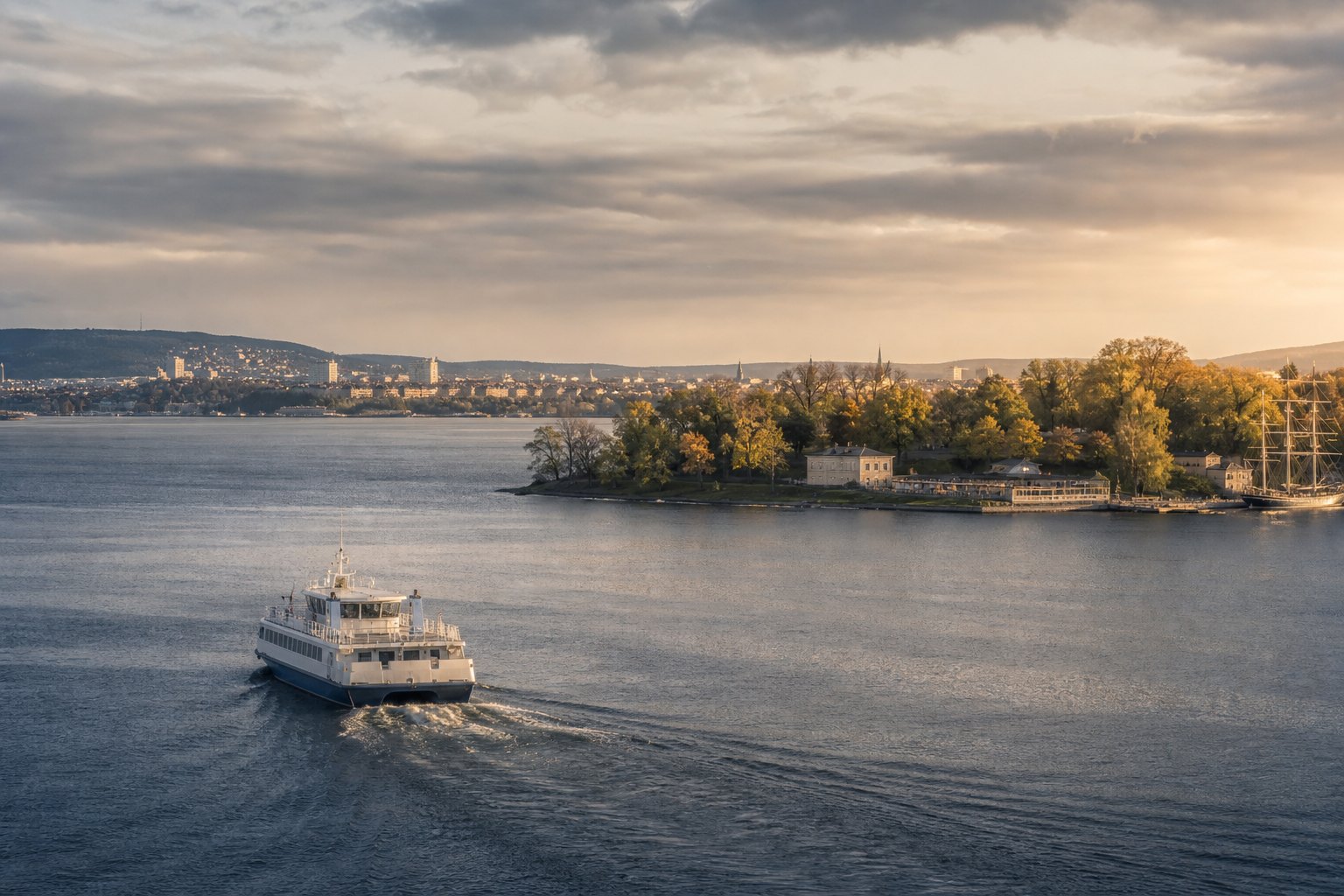
Many museums on the Bygdøy peninsula are best reached by the summer ferry from the City Hall pier — a short crossing that is half the pleasure of the visit.